
Teams comparing SHOPLINE and Shopify choose SHOPLINE to run subscriptions, loyalty, social selling, and POS as one system rather than assembling them from separate apps. SHOPLINE already powers 700,000+ merchants worldwide since 2013.






Why the comparison matters
Choosing a commerce platform decides how much you build, how much you bolt on, and how much margin you keep as you scale. Shopify pioneered easy store creation and runs an enormous app ecosystem, where subscriptions, loyalty, livestream selling, and point-of-sale are assembled from separate apps. SHOPLINE takes the opposite approach and ships those capabilities as modules of one platform.
SHOPLINE serves more than 700,000 merchants and has operated as a global commerce SaaS since 2013. The platform integrates online storefronts, social commerce, POS, and a customer relationship suite behind one login, and it opens robust APIs for teams that want to go headless. This page compares SHOPLINE and Shopify across the five factors that decide most switches — pricing and fees, built-in features, omnichannel and social, global and B2B selling, and migration.

Side by side
A factual, source-based comparison of how each platform is priced and what ships in the box. Figures reflect publicly listed 2026 pricing.
Sources: shopline.com/pricing & /enterprise/features; shopify.com/pricing and Shopify Help Center. "Via paid app / on Plus" reflects Shopify's published plan gating. Third-party gateway fees apply only when you do not use each platform's native payments.
Why teams switch
Most switches come down to the same tension — how much a platform builds in versus how much you bolt on. These five areas are where SHOPLINE changes the math against Shopify. Select each one to see what moves in-house.


SHOPLINE runs subscriptions, loyalty, and marketing automation inside the platform, so a growing store adds capability without adding another vendor to integrate and maintain.
SHOPLINE waives its platform transaction fee when you process on SHOPLINE Payments. Third-party gateways carry a 2% to 0.5% fee that steps down as you move up the plans.

SHOPLINE prices plans on capability and staff seats rather than forcing tier jumps on sales volume, so your finance team forecasts platform cost without revenue-triggered surprises.

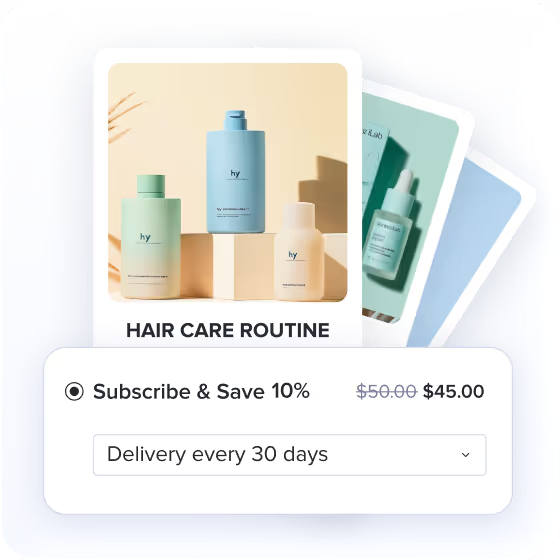
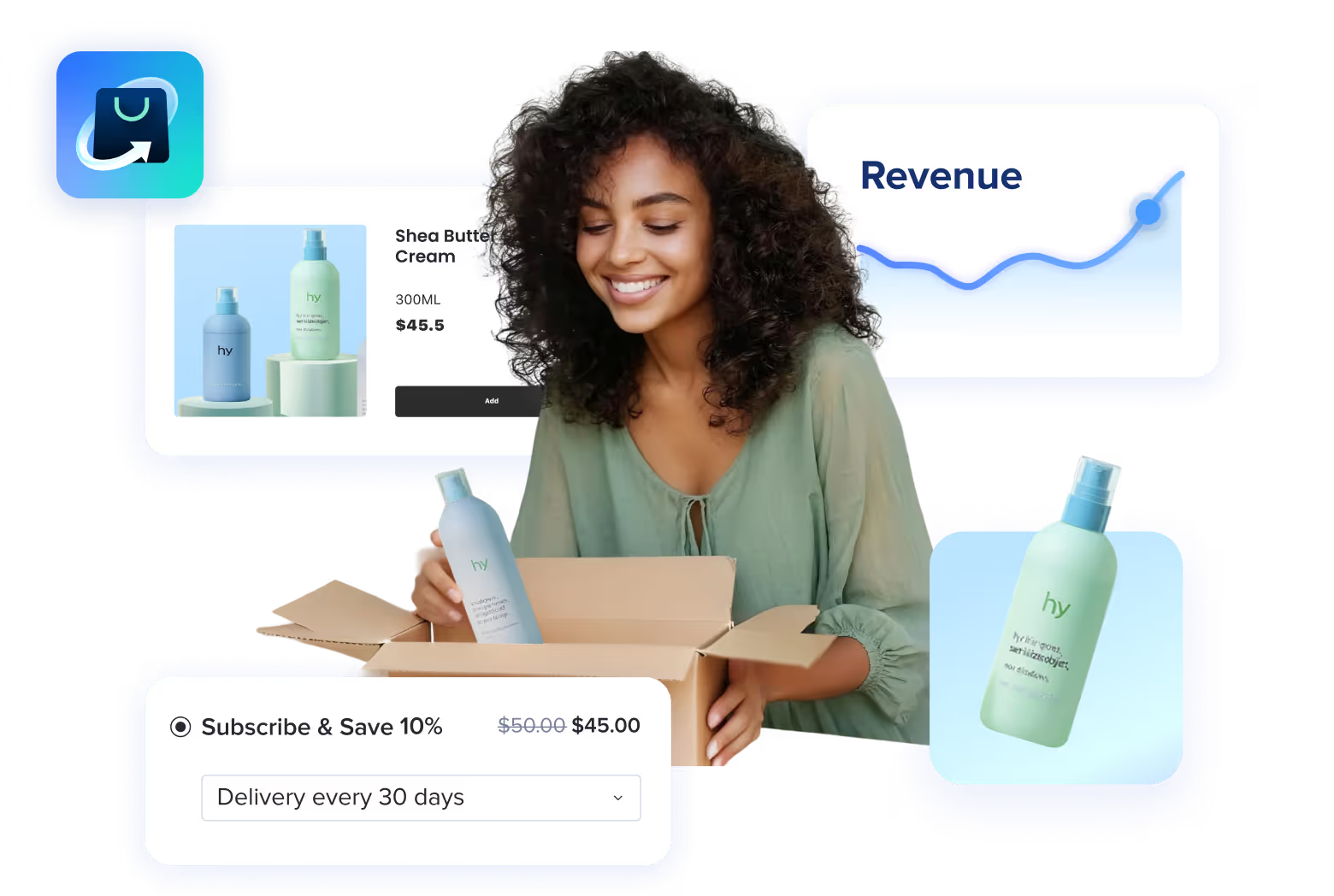
The native subscription engine converts one-time buyers into recurring subscribers. Your brand grows predictable revenue without wiring a third-party billing app into checkout.

SHOPLINE's loyalty engine runs tiered rewards, referrals, and omnichannel points natively. Your customers earn and redeem across online and offline, and you keep the data in one place.

SmartPush unifies email, SMS, and pop-ups with AI personalization. Your marketers launch automated flows from the same dashboard that manages the store, not a bolt-on tool.

SHOPLINE Social Commerce unifies Facebook, Instagram, WhatsApp, and Telegram, and lets shoppers order by keyword comment during a livestream. Your team turns followers into buyers in one flow.

SHOPLINE POS syncs inventory in real time and supports in-store pickup, local delivery, and home delivery. Your staff completes fast in-store checkout while online and offline stock stays in one ledger.

Chat Commerce brings live chat and social messengers onto the same platform. Your agents answer questions and close orders inside the conversation, which lifts conversion on high-intent chats.
SHOPLINE's Markets feature localizes storefronts across 35+ languages and 100+ currencies with region-specific pricing. Your brand sells into new markets without standing up a separate platform.
SHOPLINE Enterprise deploys up to 10 online stores with organization-level management. Your team runs multiple brands or regions under one account instead of paying for separate expansion stores.

SHOPLINE runs wholesale and retail on one platform with custom catalogs and negotiated pricing. Your sales team serves business buyers and consumers without a second system.

SHOPLINE's multi-platform migration tool imports products, customers, and orders from your existing store. Your catalog moves across with structured mapping rather than manual re-entry.

SHOPLINE Enterprise upgrades in one click with priority API calls and rapid data synchronization. Your store scales into enterprise infrastructure without a rebuild.

SHOPLINE connects to ERP, OMS, 3PL, and CRM systems through comprehensive APIs. Your operations team keeps its existing tools and unifies them around the storefront.
SHOPLINE pricing
Start free for 14 days — no credit card required. Prices shown are billed annually (two months free).
Launch your store and start selling.

Grow and manage rising volume.
Scale complex operations.
Global, high-growth commerce.
Monthly billing: Starter $29 · Essential $79 · Premium $269. Source: shopline.com/pricing.
Built in, not bolted on
On Shopify, a growth-stage catalog assembles subscriptions, loyalty, reviews, and upsells from separate apps, each with its own integration to maintain. SHOPLINE ships those functions as native modules, so the checkout stays consistent across every capability.
In a merchant's words
“SHOPLINE gave us access to tools and capabilities we wouldn't have budgeted for on platforms like Shopify. A lot of features that are typically add-ons elsewhere are built right into SHOPLINE, which opened the door for us to experiment and scale in ways we hadn't originally planned.”
SHOPLINE vs Shopify FAQ
The answers below cover what operations, finance, and marketing teams raise most often when they weigh SHOPLINE against Shopify — from fees and features to migration and security.
Merchants switch when their app bill grows faster than their store. SHOPLINE builds subscriptions, loyalty, marketing automation, social selling, and POS into the platform, so teams consolidate paid Shopify apps into one system and simplify their tech stack.
SHOPLINE plans run $24, $66, and $224 per month billed annually, with a custom Enterprise tier. Shopify lists Basic at $39, Grow at $105, and Advanced at $399, with Plus from about $2,300. Because SHOPLINE bundles more natively, the effective cost often lands lower once apps are counted.
Both waive their platform transaction fee when you use their native payments. On third-party gateways, SHOPLINE charges 2% down to 0.5% by plan, and Shopify charges 2% down to 0.2%. Processor card rates are separate and set by the payment provider.
Shopify runs a larger third-party app marketplace with 8,000+ apps and a broad theme catalog. If your growth plan depends on a very specific niche app or dropshipping tooling, Shopify's ecosystem breadth is a genuine strength worth weighing.
Yes. SHOPLINE Subscription and the Member System are native, and SHOPLINE Social Commerce unifies Facebook, Instagram, WhatsApp, and Telegram with keyword-comment ordering during livestreams — all without third-party apps.
SHOPLINE provides a multi-platform migration tool that imports products, customers, and orders. Enterprise brands upgrade in one click with priority API calls and rapid data synchronization to move without a rebuild.
SHOPLINE Payment is PCI DSS compliant and accredited as a Level 1 Service Provider, and SHOPLINE maintains a SOC 2 report covering security, availability, and confidentiality. Both platforms operate at PCI DSS Level 1.
Yes. SHOPLINE offers a 14-day free trial with no credit card required, so your team evaluates the native features against your current Shopify stack before you switch.

